How to brief a creator: direction, not a script
If you are working out how to brief an influencer for a local business, start with the split that makes briefs work. You own the facts: what is on offer, when, where, and what has to be mentioned. The creator owns the verdict: the angle, the words, and the honest opinion. Brief the first part tightly. Leave the second part alone.
By Jeff, Founder, SIGNL · October 28, 2026 · SIGNL Learn hub
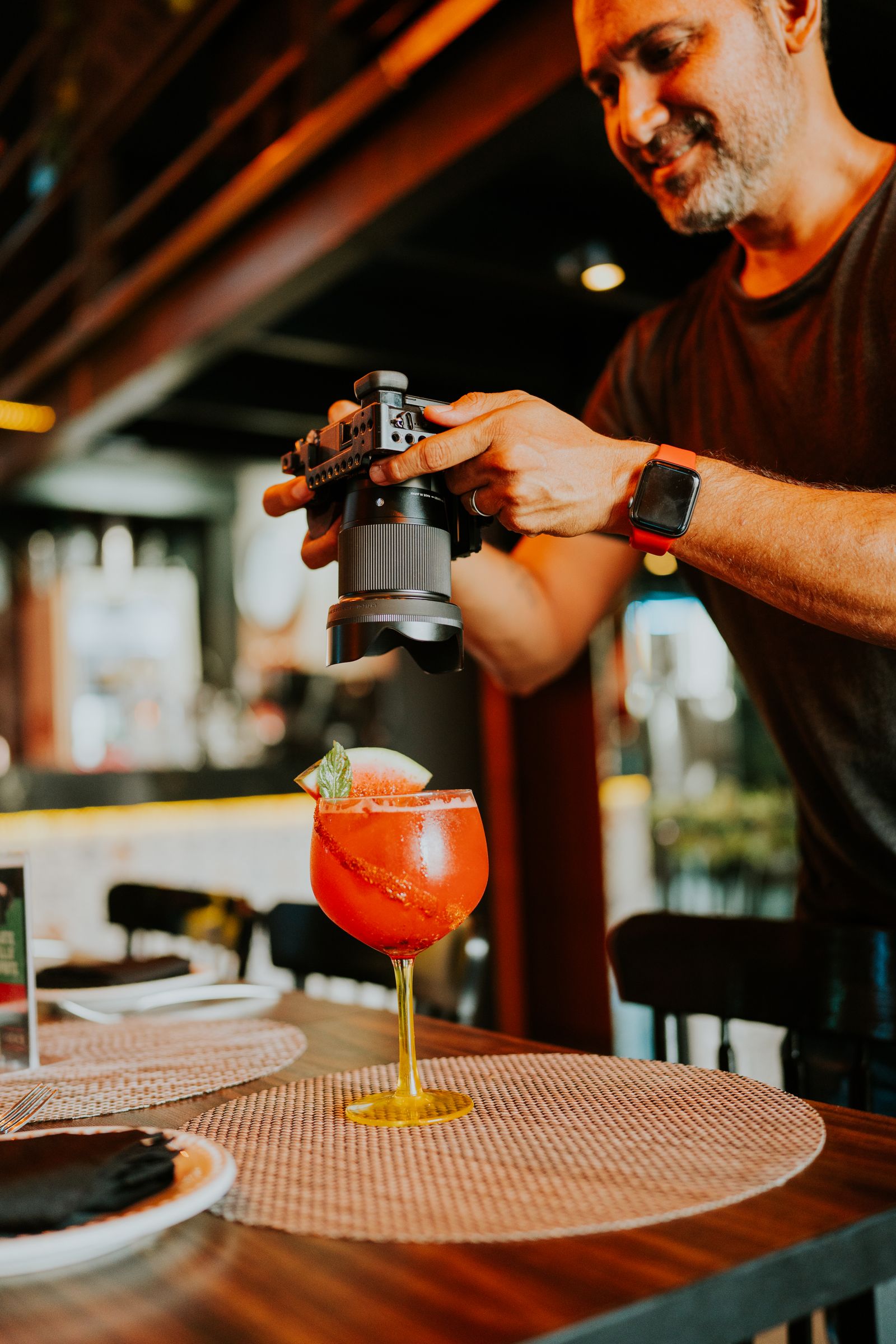
Keep their voice.
Why does a script kill the post you paid for?
People follow a local creator for that creator's judgment. A post that sounds like your marketing copy tells their audience the judgment was rented, and rented judgment gets ignored. That is not a style problem. It removes the only reason to book a creator instead of running an ad.
A good brief does the opposite job. It removes every avoidable mistake: the wrong date, the missed must-mention, the forgotten disclosure, the post that lands a week late. It says nothing about what the creator should conclude. Direction on facts, freedom on opinion. That split is the whole method, and it is why what a comped creator visit actually includes separates deliverables from verdicts so sharply.
What belongs on the one page?
If the creator cannot guess it, it belongs in the brief. If it is your opinion about your own business, it does not.
- ✓The offer, exactly: what the visit or booking covers, how many people it covers, and its ceiling, stated the way the creator will experience it.
- ✓When and where: the visit window, the address, and the practical details that change a post: parking, the entrance to use, who to ask for on arrival.
- ✓The deliverables: for a comped visit, 1 post or reel plus 1 story that shares the post, within 48 hours. For a paid booking, the deliverables set in the booking's terms. Write them at the top, not in a footnote.
- ✓Must-mentions, kept short: two or three facts maximum. A new item worth ordering, a booking link or code, an opening date. If everything is a must-mention, nothing is.
- ✓Disclosure: the post must make clear the visit was comped or the booking was paid. Put the requirement in the brief so nobody treats it as optional. The rules are in FTC disclosure for comped posts.
- ✓One contact: one named person the creator can reach with a question before, during, or after the visit.
That is a complete brief. It fits on one page because it is only trying to do one thing: make the facts impossible to get wrong.
How do you write it without taking over the post?
Facts, not adjectives
Write what is true and checkable: dates, times, prices, what is new, what is included. Cut adjectives about your own business. The creator will supply the description after a real visit, and theirs is the one the audience believes.
Point, do not prescribe
You can point at what to notice: the dish you just launched, the quiet weekday you want filled, the detail regulars love. Pointing is direction. Telling the creator what to say about it is a script, and it crosses the line.
Close with the terms
End with the deliverables, the deadline, and the disclosure line, in plain words. No approval step for the creator's opinion. If you need to see anything in advance, limit it to a factual check: names, dates, and links spelled right.
Read the finished brief once with one question: could a creator follow this and still sound exactly like themselves? If yes, send it. If the post is already written inside it, cut until it is not.
What should never be in a brief?
No script and no sample caption. No required positive opinion, no star rating, and no request for a review on any platform. No pre-approval of the creator's verdict. No instruction to hide or soften the disclosure. Each of those asks for the same thing: a post that looks independent and is not. Audiences can tell, platforms and regulators can tell, and the creator's trust, which is the asset you booked, takes the damage.
There is also a practical reason to hold back. Businesses do not find creators on SIGNL by follower count. They find them by local reach, the share of a creator's audience that actually lives nearby, as what local reach is explains. A local audience follows a creator because the recommendations have been honest so far. Protect that record and the next post works too. Spend it on scripted praise and you have bought one weak post at the price of the channel.
Does the brief change for a paid booking?
The structure stays the same. The terms at the top change. A comped visit carries the fixed deliverable: 1 post or reel plus 1 story that shares the post, posted within 48 hours, honest and disclosed. A paid booking carries the deliverables agreed in that booking's terms, at the creator's own rate, with a $50 floor, and the creator keeps 97 percent.
Say which lane the brief is for in the first line, so there is never a mix-up about what was promised. Everything after that line, the facts, the logistics, the short must-mention list, works identically in both lanes. For the money side of both lanes, read how much local influencers cost. For measuring what came back, read how to track influencer marketing ROI.
What else do businesses ask about briefing creators?
What should a creator brief for a local business include?
A creator brief should include the facts a creator cannot guess: what the visit or booking covers, when and where it happens, the deliverables, the posting deadline, the disclosure requirement, and a short list of must-mentions such as a new menu item, a booking link, or parking. Keep it to one page. Everything else is the creator's job.
What should you never put in a creator brief?
Never put in a script, lines to say word for word, a required positive opinion, a star rating, or a demand for a review. Never ask a creator to hide that a visit was comped or paid. A business can set facts, logistics, and deliverables. It cannot set the verdict, because an honest verdict is what the audience is paying attention to.
How detailed should a creator brief be?
Detailed on facts, light on creative direction. Cover logistics and must-mentions precisely, then stop. If your brief runs past one page, it is probably trying to control the post instead of informing it, and posts that read as controlled get scrolled past.
Do you brief a comped visit differently from a paid booking?
The brief structure is the same, but the terms differ. A comped visit has a fixed deliverable: 1 post or reel plus 1 story that shares the post, posted within 48 hours, honest and disclosed. A paid booking has the deliverables set in the booking's terms, at the creator's own rate, and the creator keeps 97 percent. State which lane the brief is for, and the exact deliverables for that lane, at the top.
When should you send a creator the brief?
Send the brief when the visit or booking is confirmed, before the creator arrives, not at the table or on the day. A creator who has the facts, the must-mentions, and the deadline in advance can plan the post around the visit instead of reconstructing details afterward.
Brief it right, then let the creator work
SIGNL businesses browse local creators by local reach, send the offer and the brief in one place, and track the post when it lands. Facts from you. Voice from the creator. That is the deal that works.
Business sign-ups live in the SIGNL app
Join the founding business list, browse creators in your market by local reach, and run comped visits and paid bookings with the deliverables and disclosure built in.
Join the founding business list
See the full picture first on the businesses page