
Micro or big? For a restaurant, it is not close.
By Jeff, Founder, SIGNL · October 21, 2026
A restaurant needs people within driving distance, tonight, this week. Micro-influencers with local audiences deliver exactly that. A big influencer's following is spread across the country, so most of the reach you pay for can never book a table. Judge every creator by local audience percentage, not follower count, and the choice makes itself.
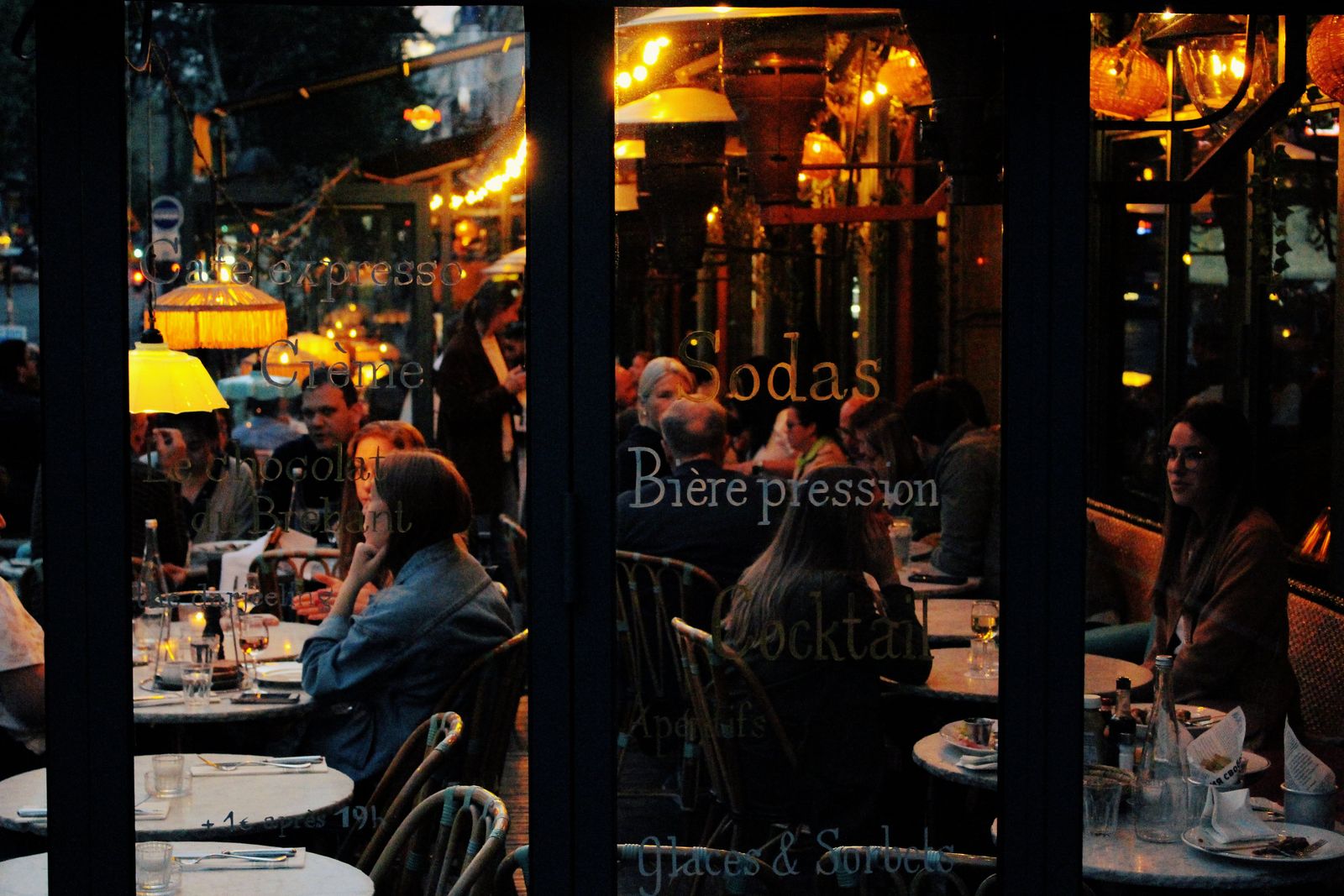
lives ten minutes away.
Why does local audience percentage beat raw reach?
Reach is a national number. Dinner is a local decision. A follower three states away can like your post, save your post, and never once spend a dollar with you, because they are never going to drive four hours for a Tuesday special.
This is the flaw in buying big for a single address. A national food creator with 500,000 followers might have 1 or 2 percent of that audience in your market. That is 5,000 to 10,000 local people, buried inside a price set by the other 490,000 who will never visit. A local creator with 10,000 followers and a 70 percent local audience reaches about 7,000 nearby people, roughly the same local audience, at a small fraction of the price, and usually for a comp instead of cash.
There is a second effect: trust density. Local micro-influencers are followed by people who know them, work with them, or have seen them at the same coffee shop. Their recommendation reads like a tip from a neighbor, because it is one. Big accounts read like media. For a considered purchase that might matter less. For "where should we eat Friday," the neighbor wins.
What does a local viewer actually cost?
Run the comparison the way a restaurant should: cost per local follower reached. The figures below are an illustrative example with round numbers, not SIGNL results and not any creator's actual rate card.
Illustrative math only. The point survives any honest numbers you plug in: when 98 percent of an audience cannot visit you, you are paying full price for 2 percent of it.
The comparison gets sharper over a month. One big paid post is one spike: a day of attention, then the feed moves on. The same budget spread across a roster of local creators is a drumbeat: 5 visits on a $199 Self-Service plan, 10 on $349 Growth, 20 on $699 Managed, each one a tracked post from a different trusted local voice. Restaurants do not fill seats with a spike. They fill seats by being the place locals keep hearing about, from people locals actually know. For the full price breakdown, see how much local influencers cost.
How do comped local visits compare with one big paid post?
One voice, one day, cash up front
A big creator charges per post, priced off total followers, most of whom live elsewhere. You get one piece of content on one day, audience geography you usually cannot verify, and no second chance if the post underperforms. The check is written before anyone sees a result.
Many voices, all month, paid in product
Local creators visit for a comp: your meal at your cost. Each posts honestly within 48 hours, FTC disclosed, as a Standard Visit of 1 post or reel plus 1 story that shares the post. Different voices reach different pockets of the same city, week after week, and every visit is tracked.
Concentrated vs. spread
One big post is a single bet: if that creator's audience shrugs, the whole budget shrugged with them. Twenty local visits are twenty small bets. Some will outperform, some will be quiet, and you learn which creators your city responds to, then book them again.
When does a big influencer actually make sense?
Big is not useless. It is just priced for a different job. A multi-location group opening across a region, a grand opening that wants the whole city talking in one weekend, or a restaurant brand selling sauces and merch beyond its own tables can all use national reach, because their customers are everywhere too.
The test is simple: what share of this creator's audience can physically buy from me this month? If the honest answer is most of it, a big booking can be rational. If the answer is a sliver, you are buying a national media placement to solve a neighborhood problem. Most single-location restaurants, cafes, bars and food trucks fail that test with big accounts and pass it easily with local micro-influencers.
This is why SIGNL is built the way it is. Creator profiles show local audience share before a business books, so the percentage is a shopping number, not a post-campaign surprise. Visits run on tracked delivery: a redemption code proves the visit, the platform verifies the post went live, and each creator carries a unique code so a business can tally the register spend that came back with it. That tracked register spend is reported as a floor, because it only counts guests who used a code, and it is never dressed up as revenue generated. If you run a restaurant in a founding market like Richmond or Hampton Roads, that is the measurement standard your marketing should be held to.
Questions, answered straight
Are micro-influencers or big influencers better for a restaurant?
Micro-influencers, for almost every single-location restaurant. A restaurant sells to people within driving distance, and a local micro-influencer's audience is concentrated there. A big influencer's audience is spread across the country, so most of the reach you pay for can never book a table.
What is local audience percentage?
The share of a creator's followers who live in your market. A creator with 10,000 followers and a 70 percent local audience puts you in front of about 7,000 nearby people. A creator with 500,000 followers and a 2 percent local audience puts you in front of about 10,000, at a far higher price. SIGNL shows local audience share on creator profiles so you can compare before you book.
How much does a big influencer post cost a restaurant?
Big creators price per post in the thousands and set their own rates, and one post is one moment. On SIGNL, paid local posts run $25-750 by tier, and most local visits are comped instead: no cash, just your product at your cost. Plans run $199-699 a month for 5-20 tracked visits.
When does a big influencer make sense for a restaurant?
When the goal is bigger than one dining room: a multi-location group launching across a region, a grand opening that wants citywide buzz in a single weekend, or a brand selling products beyond its own tables. For filling seats week after week at one address, a steady roster of local creators is the better buy.
How does SIGNL measure whether a creator post worked?
Every visit is tracked: the redemption code proves the visit happened, the post is verified live, and each creator carries a unique code so register spend can be tallied back to them. Tracked register spend is a floor, because it only counts guests who used a code. SIGNL reports it that way and never calls it revenue generated.
Book the locals, skip the lottery ticket
Learn what a comped creator visit includes, browse the rest of the Learn hub, and check the business page for how the roster works in your market.